|
By Taylor Wilson Since 2015, we've been working on our Soil Is Alive soil health trailer with multiple partners and artists. After many years, we are close to finishing it. Check out the photos below.
0 Comments
By Taylor Wilson The Hamilton County Soil and Water Conservation District held its Annual Meeting this February at the Delaware Township Community Center with record attendance. Over 150 county residents attended to vote in the SWCD Supervisor election and learn more about the SWCD. Highlights from the District’s 2024 work were shared by Claire Lane. The SWCD recognized Rachael Foster and Hamilton County Tourism with the Outstanding Partner of Urban Conservation Awards. Special recognition was also given to Dusty Forrer and Jared Kakasuleff for their participation on the SWCD Board over many years. Jeanette Jaskula gave a presentation on how to garden to attract moths, including detailed information on native moth species. Jessica Irvine was elected to the SWCD Board of Supervisors and sworn in by Kenny Cain, State Soil Conservation Board member. Attendees also donated a full box of food donations to the Delaware Township Community Center food bank. We host an annual meeting every year to highlight our work as a district, provide educational opportunities, and hold an election. To stay updated on the latest programs and events, visit www.hamiltonswcd.org. Native or introduced? Often, this is an easy question to answer - either a plant is from Hamilton County or it isn't. For Black Locust, however, the answer is a bit more complex. First, what do we mean by "native"? Plants can be historically native to a Country or larger region without being native to a specific State or County. Due to changes in elevation, topography, soil type, water availability, or physical barriers such as mountains or rivers, it is possible for a plant to be native to one part of the United States, but not another. This is the case for the Black Locust (Robinia pseudoacacia), a tree whose historic native range is thought to be the Appalachian region from Alabama to Pennsylvania with isolated pockets in the Ozark Mountains, Southern Illinois, Arkansas, and the southern edge of Indiana. Through the settlement of the West and the boom of agriculture in the 18th and 19th centuries, it is thought that early settlers brought Black Locust trees from the Appalachians further inland due to their fast growth, wood quality, and their nitrogen-fixing capabilities. Black Locust wood was commonly used for fence posts along agricultural properties and firewood, and was instrumental in the foundation of our Country, being used to help build Jamestown and ships during the War of 1812. Evidence has been found that Native Americans also used Black Locust wood for bows and other tools, giving the tree a long and storied history in the eastern United States.
Works Cited
6, A. T. on F. (2018, February 6). Yale University. Black Locust | Yale Nature Walk. https://naturewalk.yale.edu/trees/fabaceae/robinia-pseudoacacia/black-locust-81 Black Locust Tree Guide: Thorns, wood, bark, flowers, areas (beware this tree). (n.d.). https://8billiontrees.com/trees/black-locust-tree/ Evans, D. J. (2025, February 10). Black Locust: Invasive in Woodlands?. Purdue Extension Forestry & Natural Resources. https://purdue.edu/fnr/extension/black-locust-invasive-in-woodlands/ Robinia Pseudoacacia L. (n.d.). https://www.srs.fs.usda.gov/pubs/misc/ag_654/volume_2/robinia/pseudoacacia.htm
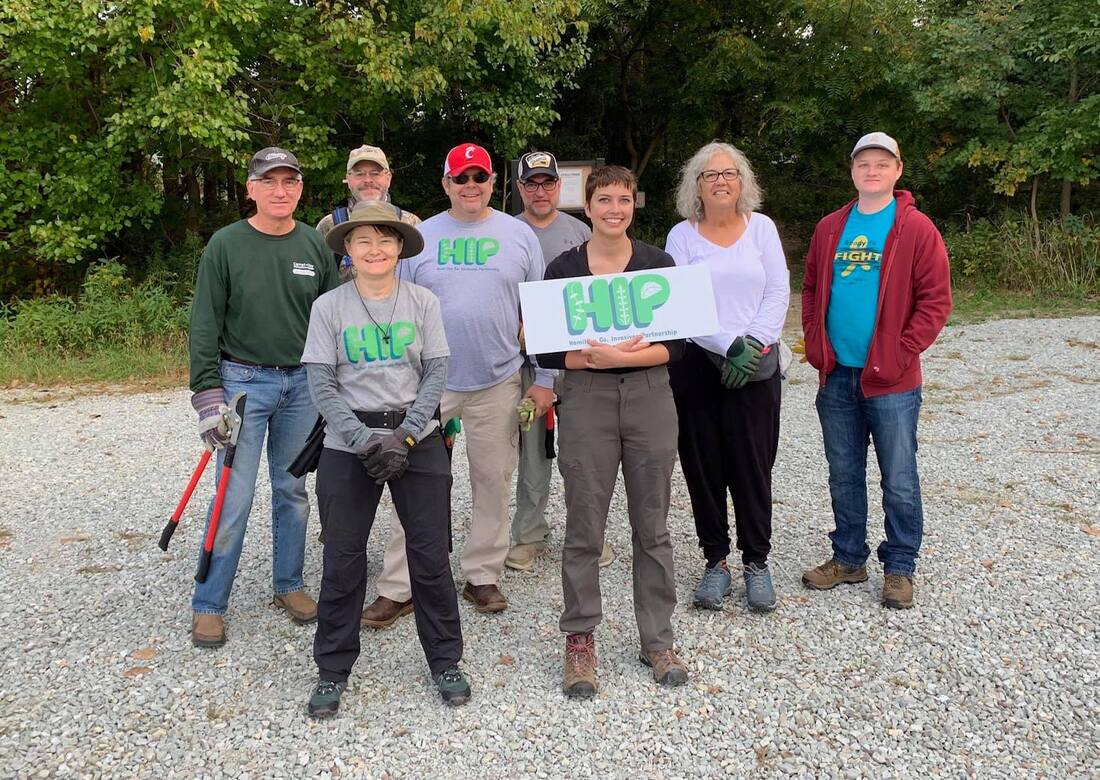
I’ve been interested in nature my entire life. As a child a neighbor taught me about turtles. My grandfather and I caught minnows so we could fish. I walked fence rows with mom searching for wildflowers. Whip-poor-wills announced bedtime. When it was time for college though, I had to pay my own way. So, I took the practical route of choosing Information Technology. It was a good career, but weekends were spent outside camping, hiking and birding. Fortunately, my husband enjoyed these activities, and the kids went along. I volunteered in school programs until they graduated. As retirement approached, I started preparing myself for what might come next. I started with an Indiana Master Naturalist class. I highly recommend this for anyone with a variety of nature interests. I say, this “ruined me.” I learned so much about nature, but I also learned about invasive plants. To get the required volunteer hours, I volunteered through Carmel Clay Parks and Recreation. I was still actively working so I needed something flexible. CCPR was just starting to map invasive species in their parks, and I was hooked. We live literally “between” Fishers and Carmel in an un-annexed portion of Hamilton County along the White River, so I worked on mapping all the parks on the east side of Carmel. Because of this when I heard Hamilton County was starting a CISMA (cooperative invasive species management area), I attended the meetings that organized HIP. I’ve been active ever since. Currently I am a steward for a 2-acre native habitat at my church and for CILTI’s Nonie Werbe Krass Nature Preserve. NWK is my favorite natural area in Hamilton County, because it is walking distance from home. I walk there 3 or more times per week. Spending so concentrated time in one area allows me to learn the plants in depth in all seasons of the year. Working as a volunteer is REWARDING. I feel like I am helping our shared world, keeping myself healthy and meeting wonderful people. Feeling inspired? Join us in making a difference! Whether you're passionate about preserving our environment, giving back to the community, or just looking for some new friends, we’d love to have you on our team.
Winter is one of the most effective times to treat many of our worst invasive plants, but it takes a keen eye to find and recognize them without leaves, flowers, or berries. With a little bit of practice, though, you can take advantage of the many benefits to managing invasive trees, shrubs, and vines in the Winter. Why should I manage in Winter?Managing invasive species in the winter offers several advantages. During this time, many invasive plants and animals are in a dormant or inactive state, making them more susceptible to control methods such as removal, chemical treatments, or physical barriers. Cold temperatures can also reduce the likelihood of native species being harmed during the intervention, allowing for more targeted and effective management without disrupting the local ecosystem. Additionally, winter typically brings fewer pests and less vegetation, making it easier to access and monitor affected areas. Finally, Winter management can also reduce the spread of invasive seeds in the spring, when they are more active and likely to propagate. To learn more about removal techniques email us at [email protected] or call our office (317) 773-2181. Primary Winter TargetsAsian Bush Honeysuckles (Lonicera spp.)Winter Creeper (Euonymus fortunei)Burning Bush (Euonymus alatus)Tree-of-Heaven (Ailanthus altissima)
The Pollinator Steward Certification (PSC) program, offered by Pollinator Partnership, empowers people with the scientific know-how to make a real difference for pollinators, people, and the planet. This course is ideal for urban farmers and growers, home gardeners, and conservation professionals.
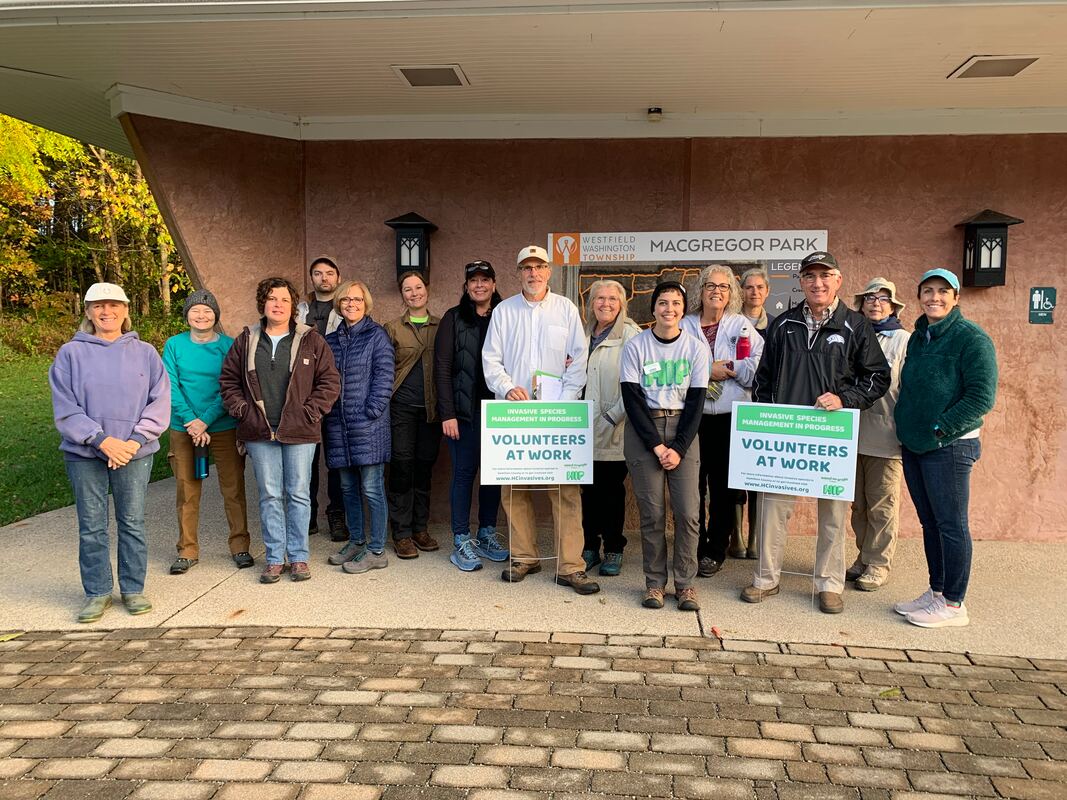
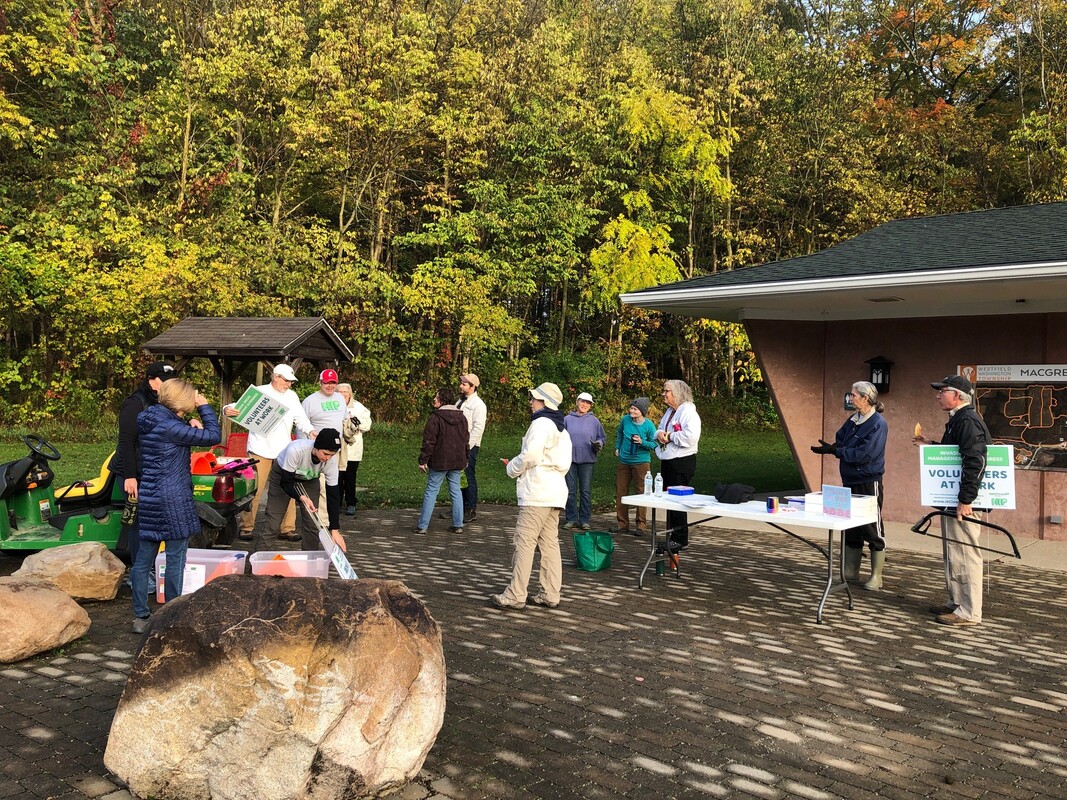
Topics include an introduction to the world of pollinators, how they live and thrive, and the benefits pollinators bring to our food production efforts. Details on habitat creation for pollinators will be provided, with a focus on urban landscapes. Register for this FREE workshop at the button below. At HCSWCD, we have volunteer opportunities for all lifestyles. This year we have a new volunteer opportunity that focuses on educating our Hamilton County Invasives Partnership members through the selection and scheduling of educational speakers at monthly meetings. In this role, you get to connect with interesting people in Hamilton County and the greater conservation community and also continue your education in volunteerism, native & invasive plants, conservation and so much more! Although this is a remote opportunity, you would have the ability to connect with members at our monthly meetings and group volunteer events! We do ask for a one-year commitment. If you are interested in this role and unable to commit to one year, please reach out to our volunteer coordinator [email protected] to discuss! |
AuthorWrite something about yourself. No need to be fancy, just an overview. Archives
May 2026
Categories
All
|
|