Hamilton County Soil and Water Conservation District
  • Home
  • About
    • About >
      • Staff & Supervisors >
        • Supervisor- Nominee Info Sheets
    • Donate
    • Jobs & Internships
    • Newsletter >
      • News articles
    • Volunteer Opportunities
    • Strategic Plan
  • Programs & Services
    • Ag Stewardship >
      • Agriculture Resources
    • Cover Crop Seed Program
    • Drainage
    • Financial Assistance/Cost Share Programs >
      • Invasives Cost Share
      • Landscape Callery Pear Removal Grants
    • Invasive Species >
      • Invasive Trade In Program
      • Landscape Callery Pear Removal Grants
      • Hamilton County Invasives Partnership
    • Map Resources
    • Spring Native Plant Kit Sale
    • Fall Native Sale
    • Rain Barrel Info & Sales
    • Rule 5 Submission
    • Soil Is Alive: Soil Health Trailer
    • Soil Maps & Surveys
    • Soil Testing
    • Stony Creek Feasibility Study
    • Photo Contest
    • Report a Polluter
    • Tool Loan Program
    • Video Resources
    • Water Resources >
      • Well Capping
      • Well Water Testing
  • Urban Conservation
    • Backyard Conservation
    • Landscape with natives
    • Urban Agriculture >
      • Micro-Irrigation
      • Donate Your Vegetables
      • Garden Resources
    • Creating and Maintaining a Prairie
    • Restoring HOA Native Landscapes
    • Stormwater Landscape Maintenance Training
    • Rain Garden Info
    • Seed pack
    • Tree Info
    • Where to buy native plants & seed
  • Events
    • Workshops & Events
    • Annual Meeting
    • Rain on Main
    • Pay Dirt Hamilton County
    • Past events & recordings
  • Online Store
  • Home
  • About
    • About >
      • Staff & Supervisors >
        • Supervisor- Nominee Info Sheets
    • Donate
    • Jobs & Internships
    • Newsletter >
      • News articles
    • Volunteer Opportunities
    • Strategic Plan
  • Programs & Services
    • Ag Stewardship >
      • Agriculture Resources
    • Cover Crop Seed Program
    • Drainage
    • Financial Assistance/Cost Share Programs >
      • Invasives Cost Share
      • Landscape Callery Pear Removal Grants
    • Invasive Species >
      • Invasive Trade In Program
      • Landscape Callery Pear Removal Grants
      • Hamilton County Invasives Partnership
    • Map Resources
    • Spring Native Plant Kit Sale
    • Fall Native Sale
    • Rain Barrel Info & Sales
    • Rule 5 Submission
    • Soil Is Alive: Soil Health Trailer
    • Soil Maps & Surveys
    • Soil Testing
    • Stony Creek Feasibility Study
    • Photo Contest
    • Report a Polluter
    • Tool Loan Program
    • Video Resources
    • Water Resources >
      • Well Capping
      • Well Water Testing
  • Urban Conservation
    • Backyard Conservation
    • Landscape with natives
    • Urban Agriculture >
      • Micro-Irrigation
      • Donate Your Vegetables
      • Garden Resources
    • Creating and Maintaining a Prairie
    • Restoring HOA Native Landscapes
    • Stormwater Landscape Maintenance Training
    • Rain Garden Info
    • Seed pack
    • Tree Info
    • Where to buy native plants & seed
  • Events
    • Workshops & Events
    • Annual Meeting
    • Rain on Main
    • Pay Dirt Hamilton County
    • Past events & recordings
  • Online Store

Hamilton County SWCD News

Soil Testing in Preparation for your Spring Planting !

4/1/2020

2 Comments

 
Picture
Mark McCauley, Resource Conservationist

It may not quite seem like it, but Spring has arrived and things are definitely turning green!  I
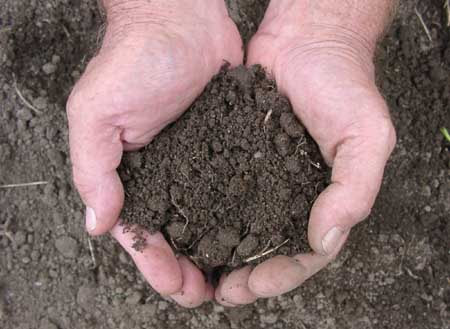
n fact, flower bulbs, like daffodils, have already pushed through the soil and have bloomed in many locations!  For gardeners everywhere, we are beginning to think about what we may want to plant where, and what preparations may be needed to prepare this year’s beds. One good idea is to have your soil tested. This is especially important if you have never done it, or if it has been a few years since the last one.  Depending on the “crop” you intend to grow (i.e. vegetables, flowers, trees, lawn), you may need to apply certain amendments to create the ideal growing conditions.  A healthy plant is more productive and resilient to adverse conditions (i.e bad weather, disease, harmful insects, and competition from weeds).
  
 
Taking a soil sample for testing is really pretty simple.  We have all the instructions on our webpage.  Basically, you will want to obtain a representative sample for the specific area you want to treat, whether that be a vegetable garden, a lawn, a shrub bed, etc. Once a soil sample is obtained, it should be mixed and brought into our office, and 2 cups will be taken from that to send in to the lab (which we can do that). The lab requires 2 cups of soil to complete their analysis.  Results are usually available within about 4 days, and those can be emailed directly to you.
  
 
When you get your results, you will receive is a list of the current nutrient levels, the pH (how acidic or alkaline your soil is), the organic matter content, and a few other things (which an explanation sheet will be provided for).  You will also receive recommendations on what nutrient types to apply (dependent on your intended “crop”), how much of each nutrient, how to adjust the pH if needed, and when to do all of this.  
 
Our Basic Test - $35 includes organic matter, phosphorus, potassium, calcium, magnesium, CEC, pH, and buffer pH. 
Our
Complete Test- $45 includes the Basic Test plus conductivity, boron, copper, iron, manganese, sulfur and zinc.  I

​f you are interested in completing a test this spring, or any other time of the year, just follow the directions on our web
site and submit a sample to our office.  We will be happy to help. ​

2 Comments
gggc laboratories link
12/7/2020 02:43:03 am

It is a great blog post.I am always read your blog helpful and informative tips. I like it thanks for sharing this information with us

Reply
Jason Ector link
1/20/2025 06:33:28 am

Spring is definitely the perfect time to start thinking about soil health and how it impacts our gardens. I appreciate the detailed explanation of the testing process and the benefits of understanding soil composition for better plant growth. Thanks for the detailed post!

Reply

Your comment will be posted after it is approved.


Leave a Reply.

    Author

    Write something about yourself. No need to be fancy, just an overview.

    Archives

    December 2025
    October 2025
    September 2025
    August 2025
    July 2025
    June 2025
    May 2025
    April 2025
    March 2025
    February 2025
    December 2024
    November 2024
    October 2024
    August 2024
    July 2024
    June 2024
    May 2024
    March 2024
    January 2024
    December 2023
    August 2023
    June 2023
    March 2023
    August 2022
    July 2022
    June 2022
    May 2022
    March 2022
    January 2022
    November 2021
    October 2021
    August 2021
    July 2021
    March 2021
    January 2021
    December 2020
    October 2020
    June 2020
    April 2020
    March 2020
    January 2020
    October 2019
    September 2019
    August 2019
    July 2019

    Categories

    All
    Canada Thistle
    Crop Diversity
    Garden Tower
    Hamilton SWCD
    Indiana
    Invasive Species
    Karner Blue
    Lupinus Perennis
    Native Plants
    Pet Safety
    Soil Health
    Soil Testing
    Urban Conservation
    Urban Gardening
    Volunteer
    Water Quality
    White River
    Wild Lupine

    RSS Feed

Your SWCD

​About
​Services
Newsletter
Volunteer
Contact Us

[email protected]
317.773.2181
NEW ADDRESS AS OF DEC. 1 2025
1721 Pleasant St. Unit A
Noblesville, IN 46060
Established in 1968
© COPYRIGHT 2022. ALL RIGHTS RESERVED.
Photo from andurache